Walking into a first peptide visit can feel a little mysterious, especially when the treatment is new to you. Will there be a long exam? Does it hurt? How soon are you out the door? If you have been typing peptide injections Lakeway, TX or peptide therapy near me into your phone, this walkthrough shows exactly how a visit tends to unfold, from the moment you arrive to the follow-up afterward.
At Luminosity Med Spa, peptide care is one of our core wellness services. For the full treatment overview, visit our peptide therapy page in Lakeway, then come back here for the step-by-step details.
The Short Answer
A peptide appointment usually has three parts: a conversation about your health and goals, a clinician-guided treatment plan, and a quick injection with a small needle, followed by simple aftercare instructions. The consultation takes the most time, while the injection itself is over in moments.
What Are Peptides, in Plain Language?
Peptides are short chains of amino acids, the same building blocks that make up proteins. Your body already produces many of them, and they act like tiny messengers that tell cells what to do. Peptide therapy uses specific peptides, prescribed and prepared through appropriate channels, to support goals such as body composition, recovery, or overall wellness. The right choice depends entirely on you, which is why the first visit centers on listening before any needle appears.
Before Your Appointment: How to Get Ready
A little preparation makes the visit smoother:
Bring a list of current medications, vitamins, and supplements
Note any allergies, past reactions, and existing diagnoses
Jot down your main goals, such as steadier energy, easier recovery, or weight support
Eat a normal meal and drink water beforehand
Wear a sleeve or top that is easy to adjust for the injection site
Step 1: A Conversation With Your Nurse Injector
Your visit begins with a sit-down chat with a licensed nurse injector in Lakeway. This is not a rushed sales pitch. Expect questions about your health history, daily habits, and what you hope to change. Be candid, because details like sleep, stress, and prior treatments help your clinician spot what is safe and what is not.
Step 2: Health Review and Personalized Plan
Next, your clinician reviews whether peptide therapy suits you right now. Depending on your history, they may suggest lab work or a conversation with your primary care provider first. If you are a good match, you will talk through the options, how the schedule might look, what to watch for, and what results are realistic. This is also the moment to ask about cost, timing, and how the plan fits with anything else you are doing.
Step 3: The Injection Itself
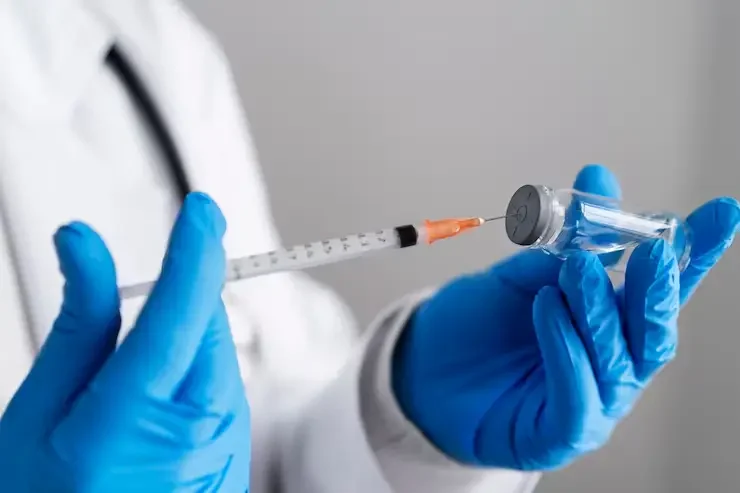
Many peptide protocols use a small injection just under the skin, often in the abdomen or thigh. The clinician cleans the area, administers the dose, and covers the spot if needed. Most people describe a brief pinch or stinging sensation that fades quickly. The whole injection is typically over in a matter of seconds.
If your plan includes doses at home, your clinician should demonstrate the technique, explain storage, and make sure you feel confident before you leave.
Step 4: Aftercare and Follow-Up
Before you head out, you will get clear directions on what to expect over the next day or two and when to reach out. A follow-up visit or check-in is usually scheduled so your clinician can see how you are responding and adjust the plan.
What Might You Feel Afterward?
Mild, short-lived reactions are the most common. They can include:
Slight redness, tenderness, or a small bump at the injection site
Occasional light bruising
Temporary fatigue, flushing, or mild stomach upset, depending on the peptide
Contact the clinic promptly if you notice spreading redness, significant swelling, trouble breathing, a rash, or anything that feels wrong. Serious symptoms deserve urgent medical care.
Why Sourcing and Oversight Matter
Peptide regulation in the United States is evolving, and quality varies widely between suppliers. Some products sold online as research grade were never meant for human use. For a closer look at how federal oversight of compounded peptides has played out, read this ProPublica report on peptide safety and compounding rules. The takeaway for patients is simple: choose a clinic that works with licensed pharmacies, is open about what it can and cannot offer, and avoids sweeping promises.
Peptides vs. Other Wellness Options
Peptides are one tool among several. If you want to compare them with a coenzyme infusion, our guide on what NAD+ therapy is and who should try it explains how that route works, and our NAD+ IV therapy page covers the details. For weight management support specifically, see our GLP-1 and GIP program.
Are Peptide Injections the Same as Joint Injections?
Not at all. Joint injections are placed directly into or around a particular joint to target local discomfort, while peptide injections are generally given under the skin and act through the body more broadly. If a sore knee or shoulder is what brought you in, say so during your consultation. Your clinician will tell you honestly whether peptide care is appropriate or whether a joint specialist would serve you better.
Pairing Peptide Care With Other Med Spa Treatments
Many clients in Lakeway build a routine that mixes wellness and aesthetics. A few popular pairings:
Microneedling in Lakeway, TX for smoother, brighter skin
Wrinkle-relaxing injectables, which our post on Botox vs. fillers breaks down
Facials for glow and maintenance, covered in our article on the benefits of regular facials
Searching beauty salon near me can bring up plenty of hair and nail spots, but a med spa works differently. Here, licensed clinicians run treatments built around your health, not just your style. Explore the full menu on our services page, or get to know the people behind it on our About page.
Frequently Asked Questions
-
Your first visit is the longest because of the consultation and health review. Follow-up injections are usually much quicker. Ask the front desk for a time estimate when you book so you can plan your day.
-
Most people feel a quick pinch, similar to a routine vaccine, and the sensation fades within moments. The needles used are small, and your clinician can help you stay comfortable.
-
Yes. A health review is how a responsible clinic confirms that treatment is appropriate and safe for you. Be wary of any place that offers injections without asking about your history.
-
Timelines depend on the peptide, your goals, and your body. Some people notice changes within weeks, while others need longer or see little effect. Your clinician will set realistic expectations during your plan discussion.
-
For most people, yes. Peptide injections typically do not require downtime, though you should follow any specific instructions your clinician gives you.
-
No. Pregnancy, breastfeeding, certain medical conditions, and some medications can make peptide therapy unsuitable. That is exactly why screening comes first.
-
Luminosity Med Spa is at 2220 Lakeway Blvd #110, Lakeway, TX 78734, with mobile service available in Marble Falls and Horseshoe Bay. Learn more on our peptide therapy page or reach out through our contact page.
Ready for Your First Visit?
If you are curious whether peptides could support your goals, a short consultation will give you clear answers with no pressure. Book your appointment at Luminosity Med Spa, your Lakeway med spa, and take the first step with a team that explains every part of the process.
This article is for general education and is not medical advice. Talk with a licensed healthcare provider before starting any new treatment.